
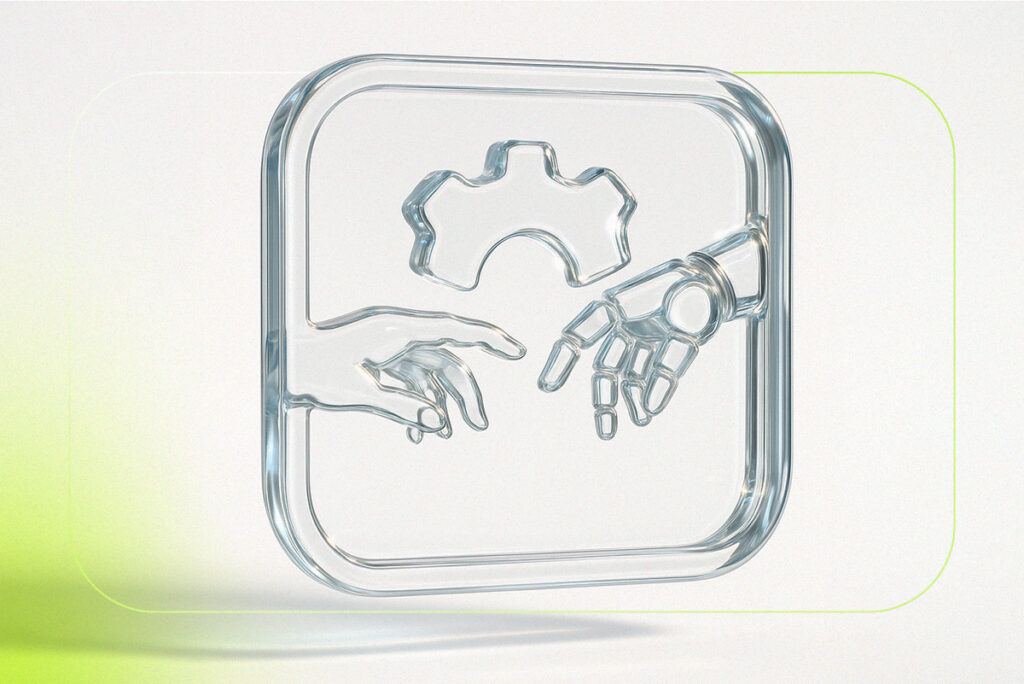
In a world where every minute counts, having an assistant is no longer a luxury reserved for large companies. The real question today is: is a human assistant or an artificial intelligence tool better for you?
In this practical guide, I share what you need to know to make a clear decision, based on your business stage, your operational needs, and the type of tasks you want to delegate.
The Silent Revolution: The Rise of Virtual Assistants
From assistants that write emails to tools that organize your calendar, artificial intelligence is quietly becoming a key ally in business productivity.
But as more options emerge, so do more questions:
Is it reliable? Does it really replace a person? What’s the best fit for my business?
Spoiler: The smartest choice isn’t always “AI or human,” but learning how to use both intelligently.
What Tasks Does AI Do Best?
AI tools are designed to process large amounts of information quickly. They’re perfect for repetitive, predictive, or pattern-based tasks. For example:
-
Writing quick emails, proposals, or initial drafts
-
Summarizing information, like meeting notes or research
-
Managing data, categorizing, and automating responses
-
Supporting creativity by generating ideas from a prompt
AI doesn’t get tired, doesn’t get distracted, and is available 24/7.
But don’t forget its weak spot: it lacks human judgment and common sense. Without clear instructions, it can produce inaccurate or brand-inconsistent results.
What Tasks Are Still Better Done by a Human?
The human touch of a Virtual Assistant (VA) remains irreplaceable for situations that require:
-
Judgment and context: understanding your tone, priorities, and work style
-
Complex decision-making involving emotions or human relationships
-
Personalized interaction with clients, partners, or suppliers
-
Flexibility to handle unexpected situations
A human assistant can anticipate your needs, provide proactive ideas, and help maintain your business culture.
What’s Best for You, Depending on Your Business Stage?
| Business Stage | What’s Ideal |
|---|---|
| Early Stage Entrepreneur | Start with AI. Automate basic tasks to save time and money. |
| Steady Growth | Combine AI with a human assistant who uses digital tools. |
| Expansion / Scaling | Hire an experienced assistant and enhance their work with AI tools. |
Recommendation: Don’t see AI as a total replacement.
See it as an ally to your human team — the synergy between both can take your efficiency to the next level.
How to Get the Most Out of Each
If You Choose an AI Tool as Your Assistant:
-
Train it with strong prompts (clear and detailed instructions).
-
Use tools like ChatGPT, Notion AI, Grammarly, or Zapier depending on your needs.
-
Review results before using them directly.
-
Avoid using AI for sensitive tasks without human oversight.
If You Choose a Human Assistant:
-
Define your processes clearly before delegating.
-
Use tools like Loom, Trello, or Google Drive to organize their work.
-
Train them in AI tools so they can work faster and smarter.
-
Provide regular feedback and adjust onboarding when needed.
Conclusion: It’s Not One or the Other — It’s What Best Enhances Your Business
Today, automation doesn’t mean dehumanization.
It means freeing up time for what truly matters — thinking strategically, connecting with your community, leading.
-
If you’re just starting out, AI can help you move forward.
-
If you’re growing, a human assistant can provide real support.
-
And if you’re scaling, combining both with clear processes is your best move.
Need Help Choosing and Getting the Most Out of an Assistant?
At [Your Company / Biz Boost Services], we don’t just help you find a trained virtual assistant — we also guide you through:
-
Clarifying your internal processes
-
Documenting the tasks to delegate
-
Designing a smooth, efficient onboarding experience
All so your assistant (human or AI) truly helps you save time and grow your business.
Ready to take the next step?
Schedule a session with us today.